
Data centres are becoming the single largest source of demand for the world's memory chips.
In June 2016, the average fixed transaction price of a DDR4 8Gb die was USD 2.90. Ten years later, in June 2026, that figure stands at USD 21 — an increase of more than six times.
Read that curve on its own and it looks like another memory upcycle. Narrow the lens to the first half of 2026, however, and the shape of the data changes. General-purpose DRAM contract prices rose 93%-98% in the first quarter and a further 58%-63% in the second. NAND flash contract prices rose 55%-60% in Q1 and 70%-75% in Q2.
What matters more than the size of the increase is where the demand is coming from. The previous three memory upcycles were driven by smartphone replacement, PC replacement and cloud expansion. This one is being driven by AI.
Capacity Has Not Disappeared. It Has Chosen Somewhere Else.
The mechanism behind this cycle is not complicated. TrendForce estimates that a single AI server consumes eight to ten times the DRAM of a conventional server, while the same capacity of HBM occupies three to four times the wafer resources of standard DDR5. As a result, roughly 22%-23% of global DRAM wafer capacity in 2026 is being consumed by HBM, and AI servers account for more than half of total DRAM demand.
The choices made by Samsung, SK Hynix and Micron follow from that arithmetic: prioritise advanced nodes for high-margin HBM and AI-specific storage, and deliberately compress capacity for mainstream consumer and industrial niche products.
So this is not a case of insufficient capacity. It is capacity being reallocated, and the allocation is no longer decided by consumer electronics demand. It is decided by the intensity of AI capital expenditure.

Source: TrendForce. Quarter-over-quarter change in general-purpose DRAM and NAND flash contract prices (%).
The Change That Is Easy to Miss: Supply Has Become a Quota
Beyond price, something more structural is under way. Memory makers are moving general-purpose DRAM and NAND to an allocation-only model, distributing supply according to historical purchase volumes and long-term contracts rather than to the highest bidder. Available spot volume has all but dried up, and spot prices now run 20%-30% above contract prices. Bernstein estimates that DRAM spot prices have risen 4.5 times from the trough of the third quarter of 2025.
In a tight market, then, paying more is no longer a sufficient condition for getting product. Committing longer, and committing to larger volumes, is. Goldman Sachs puts the 2026 supply-demand gap for DRAM, NAND and HBM at 4.9%, 4.2% and 5.1% respectively — the widest since 2011.
The Chain Ends at the Bill of Materials
What happens to memory die eventually shows up on the cost sheet of every finished device.
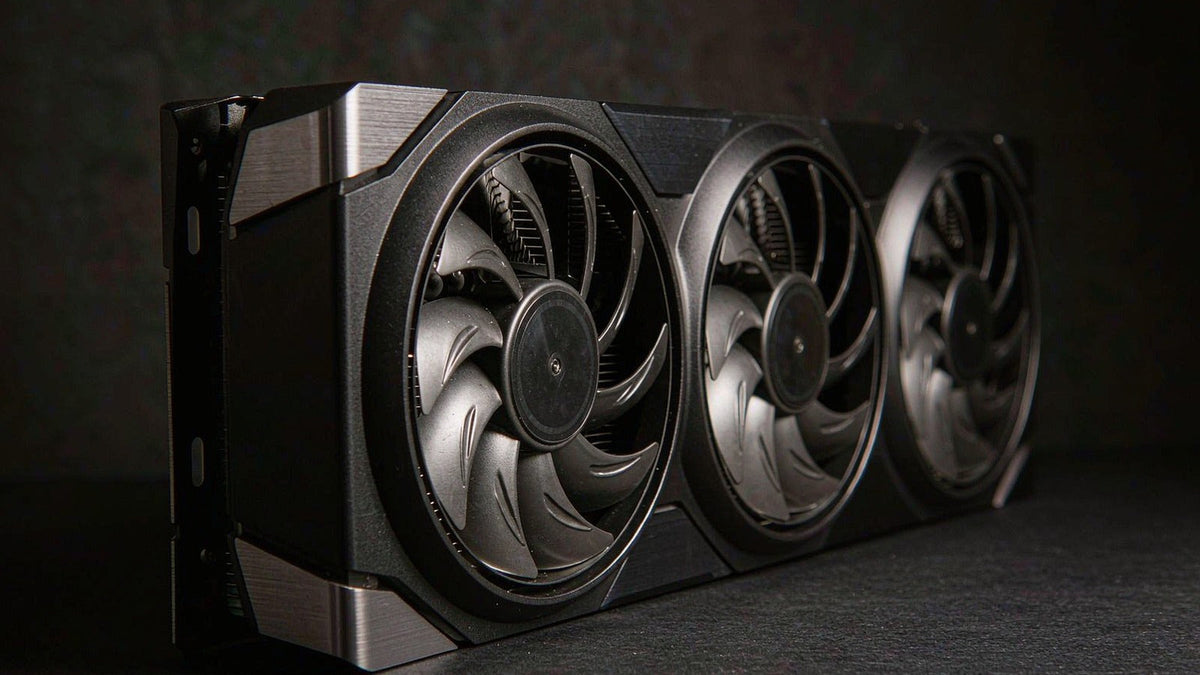
The least flexible item is graphics memory. In the second quarter of 2026, GDDR7 contract prices rose about 55% quarter over quarter. In a graphics card's bill of materials, memory is one of the few large line items that engineering cannot design away. The GPU, the power stage, the cooling solution and the PCB can all be differentiated through engineering capability. The memory die cannot. It can only be bought.
System memory follows the same path. DDR5 16Gb rose 63% in Q2 and DDR4 8Gb rose 58%. For motherboards, mini PCs and complete systems, memory now takes a larger share of the cost structure, and that share cannot be transferred away through product definition.

The conclusion can be stated in one line: pricing power over the PC is shifting from the demand side of the PC market to the supply side of the AI market.
Why New Capacity Will Not Solve 2026
The intuitive answer to a shortage is to build more. But memory is a capital-intensive, long-cycle business. A new memory fab takes roughly two years, equipment supply is still a bottleneck, and meaningful output may take longer than that. More importantly, most of the new wafer capacity is being directed to HBM first, leaving comparatively little incremental supply for general-purpose memory.
Put differently, the tightness felt in 2026 is the result of capital expenditure decisions taken in 2024 and 2025. Whether it eases after 2027 depends on decisions being taken today. The industry adjusts more slowly than demand moves, and that gap is the hardest part of this cycle.

The other side of the risk is equally real. Prices high enough will eventually destroy some demand of their own accord. Combined with a possible cooling of AI capital expenditure as it enters a digestion phase, this upcycle is unlikely to be a straight line.
What It Means for the Hardware Industry
The logic of product definition is changing. It used to be about delivering better performance at a given cost. It is now closer to building a smarter cost structure with a given supply — taking the same material and producing something more convincing with it.
Channel logic is changing too. Inventory is no longer only a question of turnover. It is a question of risk management, and the spread between spot and contract prices now decides whether a deal succeeds or fails.
The ranking of what makes a brand valuable is shifting as well. In an allocation-driven market, a vendor that can secure supply reliably carries more weight than one that can quote a lower price.
For a team that has spent four decades manufacturing boards, the priority in this cycle is not the numbers on a price list. It is two things: customers can get product, and the price at which they get it is predictable.
The Key Word Is Not «Price Increase»
Taken together, the first-half 2026 data does not describe how much prices rose. It describes a change of rules in how resources are allocated. Memory is no longer an accessory to consumer electronics. It has become a core material of AI infrastructure, and its price is set by compute capital expenditure rather than by PC unit sales.
For anyone in the PC supply chain, that is both pressure and an occasion to rethink how upstream and downstream relate to one another. Keeping pace with the new rules matters more than forecasting short-term price movements.


Leave a comment
All comments are moderated before being published.
This site is protected by hCaptcha and the hCaptcha Privacy Policy and Terms of Service apply.